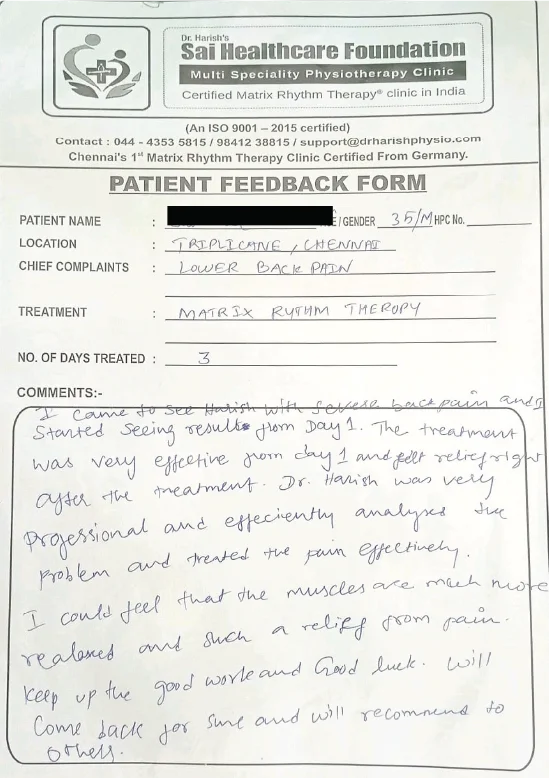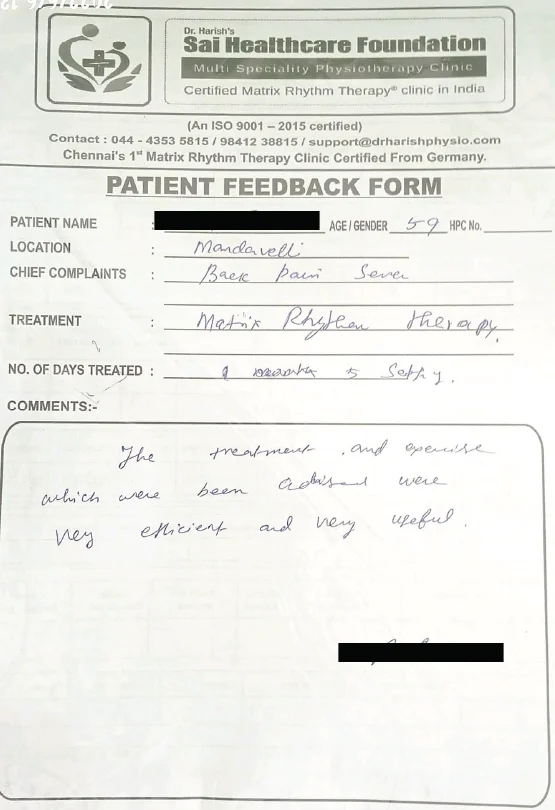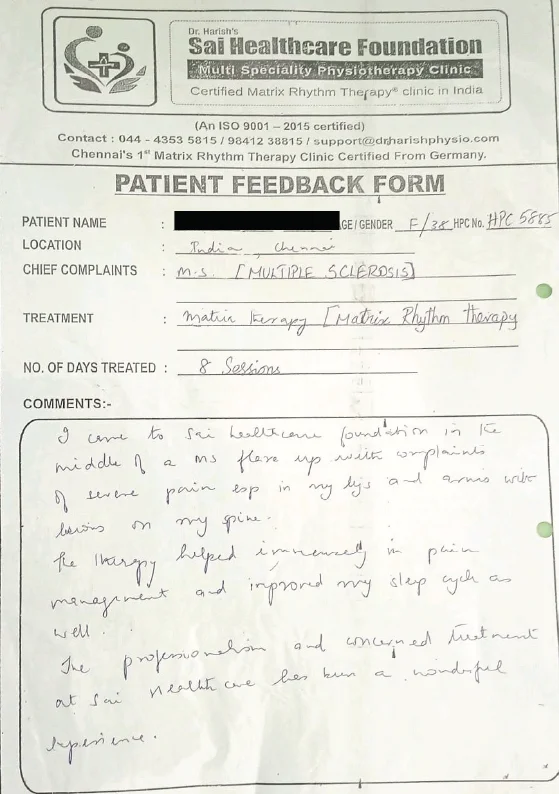
Pain is often expected to heal with time. A strained muscle, a minor injury, or even post-exercise soreness usually improves within days or weeks. However, when discomfort persists, Matrix Rhythm Therapy has emerged as an advanced physiotherapy approach that is helping many people manage chronic musculoskeletal pain more effectively. What happens when stiffness becomes part of your morning routine, when sitting for long periods feels uncomfortable, or when every movement reminds you that something isn’t quite right?
For many people living with chronic musculoskeletal pain, the search for relief can become frustrating. They may try pain medications, hot packs, massages, stretching routines, or even prolonged periods of rest. While these approaches can provide temporary relief, the pain often returns, leaving them wondering if they will ever regain the comfort and mobility they once enjoyed.
This growing need for effective, long-term solutions is one of the reasons why more people are exploring Matrix Rhythm Therapy for persistent pain. As a specialised treatment approach used in physiotherapy and rehabilitation, Matrix Rhythm Therapy focuses on improving tissue health, restoring natural movement patterns, and supporting the body’s recovery processes.
But what exactly is Matrix Rhythm Therapy, and why is it gaining attention among patients struggling with chronic pain?
Table of Contents
The Challenge of Persistent Pain
Persistent pain is different from acute pain. Acute pain typically serves as a warning signal. It appears after an injury or strain and gradually improves as tissues heal. Chronic or persistent pain, however, often continues long after the original cause has resolved.

This can be confusing for patients. Many wonder why they still experience discomfort despite taking precautions or receiving treatment. The answer often lies in how pain affects the body’s tissues and movement patterns over time.
When pain persists, muscles may become tight and protective. Movement becomes restricted. Blood circulation may be reduced in certain areas. The body starts compensating by altering posture and movement mechanics. These changes can create a cycle where discomfort leads to reduced movement, which in turn contributes to further stiffness and dysfunction.
Breaking this cycle requires more than simply masking symptoms. It requires addressing the factors that may be preventing normal tissue recovery.
Understanding the Science Behind Matrix Rhythm Therapy
To understand Matrix Rhythm Therapy, it helps to understand how healthy muscles function. Every muscle in the body operates with tiny rhythmic oscillations at a cellular level. These natural vibrations play an important role in circulation, nutrient transport, waste removal, and communication between tissues.
When muscles are healthy and functioning normally, these rhythmic processes support efficient movement and recovery. However, factors such as injury, inflammation, prolonged inactivity, repetitive strain, poor posture, and stress can disrupt these natural rhythms. As a result, tissues may become less flexible, circulation may be compromised, and recovery processes may slow down.
Matrix Rhythm Therapy is designed to stimulate these natural physiological rhythms through mechanical vibrations delivered at specific frequencies. The objective is to improve tissue mobility, support circulation, and create an environment that encourages recovery. Rather than focusing solely on the painful area, the therapy aims to influence the broader tissue environment that contributes to movement and function.
Why Traditional Pain Relief May Not Always Be Enough
Many people experiencing persistent pain find themselves relying on treatments that focus primarily on symptom relief. Pain medications may temporarily reduce discomfort. Rest may offer short-term relief. Massage therapy may help relax tight muscles for a brief period. While these approaches can be valuable in certain situations, they may not always address the underlying factors contributing to chronic pain.
Persistent pain is often associated with:
- Muscle tightness and tension
- Reduced tissue mobility
- Poor circulation
- Joint stiffness
- Movement restrictions
- Long-standing postural adaptations
- Repetitive strain patterns
If these contributing factors remain unaddressed, symptoms may continue to return despite temporary improvements. This is why rehabilitation professionals increasingly focus on treatments that support tissue function and movement quality rather than simply reducing pain for a short period.
How Matrix Rhythm Therapy Works
During a Matrix Rhythm Therapy session, a specialised device applies rhythmic mechanical oscillations to muscles and soft tissues. These oscillations are designed to mimic the natural frequencies found within healthy muscle tissue. The treatment creates gentle vibrations that move through the affected area, encouraging tissue mobilisation and supporting physiological processes associated with recovery.
Unlike some manual therapy techniques that rely on deep pressure, Matrix Rhythm Therapy is generally perceived as comfortable and relaxing by many patients. Treatment sessions are often integrated into a broader physiotherapy programme that may also include exercise therapy, movement retraining, posture correction, and functional rehabilitation.
This combination approach helps maximise the benefits of treatment while addressing the underlying causes of pain and movement restrictions.
Conditions Where Matrix Rhythm Therapy May Be Beneficial
One reason Matrix Rhythm Therapy is attracting attention is its versatility. The treatment is commonly incorporated into physiotherapy programmes for a variety of musculoskeletal conditions where pain, stiffness, and restricted mobility are significant concerns.
It may be considered for individuals experiencing:
- Chronic neck pain
- Shoulder pain and stiffness
- Upper back pain
- Lower back pain
- Hip pain
- Sports-related muscle tightness
- Postural dysfunction
- Muscle fatigue
- Restricted mobility following injury
- Repetitive strain-related discomfort
The suitability of treatment depends on the individual’s condition and should always be determined through professional assessment.
Why Patients with Chronic Stiffness Are Exploring Matrix Rhythm Therapy
One of the most common complaints among individuals with persistent pain is stiffness. Many patients describe feeling tight despite stretching regularly. They may notice that their muscles feel rigid in the morning or after sitting for extended periods.
The challenge is that chronic stiffness often involves more than reduced flexibility. It can also involve changes in tissue quality, circulation, and muscle function. Matrix Rhythm Therapy aims to address these issues by promoting movement within the tissues themselves. As tissue mobility improves, patients often report feeling less restricted and more comfortable during daily activities.
Common Improvements Patients Often Report
While individual results vary, many patients describe improvements such as:
- Reduced muscle tightness
- Better flexibility
- Easier movement during daily activities
- Improved comfort during walking and exercise
- Greater freedom of movement
- Reduced feelings of heaviness and stiffness
- Enhanced overall physical function
These improvements often contribute to a better quality of life, particularly for individuals who have struggled with chronic discomfort for extended periods.
The Role of Circulation in Recovery
Circulation plays a vital role in tissue health. Healthy blood flow helps deliver oxygen and nutrients while removing metabolic waste products from tissues. When circulation is impaired, recovery processes may become less efficient. Muscles that remain tight for prolonged periods can experience reduced circulation, contributing to ongoing discomfort and delayed healing.
By promoting tissue movement and supporting physiological function, Matrix Rhythm Therapy may help create a more favourable environment for recovery. This is particularly important for individuals dealing with chronic conditions where tissue health and mobility have been compromised over time.
Why Matrix Rhythm Therapy Works Best Alongside Physiotherapy
One misconception is that passive treatments alone can solve chronic pain problems. In reality, long-term improvement usually requires active participation from the patient. While Matrix Rhythm Therapy may help improve tissue quality and reduce stiffness, lasting results often depend on strengthening muscles, improving movement patterns, and addressing contributing factors such as posture and physical conditioning.
For this reason, Matrix Rhythm Therapy is most effective when combined with:
- Therapeutic exercise programmes
- Strength training
- Postural correction
- Functional rehabilitation
- Movement education
- Activity modification strategies
This comprehensive approach allows patients to not only feel better but also move better.
When Should You Consider Matrix Rhythm Therapy?
Not every episode of pain requires advanced rehabilitation techniques. However, if pain or stiffness continues despite conventional approaches, it may be worth exploring additional treatment options.
Consider Professional Assessment If:
- Pain has persisted for several weeks or months
- Stiffness returns quickly after treatment
- Movement feels increasingly restricted
- Muscle tightness interferes with daily activities
- Pain affects sleep quality
- Exercise has become uncomfortable
- Previous treatments have provided only temporary relief
- Physical function continues to decline
A thorough physiotherapy assessment can help determine whether Matrix Rhythm Therapy is appropriate for your condition and rehabilitation goals.
Looking Beyond Temporary Relief
One of the biggest reasons patients are exploring Matrix Rhythm Therapy is that they are searching for more than short-term symptom relief. They want to understand why their pain keeps returning. They want to move freely again, participate in activities they enjoy, and regain confidence in their physical abilities.
By focusing on tissue health, mobility, circulation, and movement quality, Matrix Rhythm Therapy offers a different perspective on pain management, one that aligns closely with the goals of modern physiotherapy and rehabilitation. While no single treatment is a universal solution, many patients find that incorporating Matrix Rhythm Therapy into a structured rehabilitation programme helps them take meaningful steps towards long-term recovery.
Discover Advanced Rehabilitation at Sai Healthcare Foundation
Persistent pain and stiffness can significantly affect mobility, productivity, and overall quality of life. When conventional treatments provide only temporary relief, exploring advanced physiotherapy options may help uncover new opportunities for recovery.
At Sai Healthcare Foundation, Matrix Rhythm Therapy is integrated into personalised rehabilitation programmes designed to address chronic pain, muscle tightness, restricted mobility, and movement dysfunction. Our experienced physiotherapists conduct comprehensive assessments and develop evidence-based treatment plans that focus on restoring function, improving mobility, and supporting long-term wellbeing.
With clinics located at best physiotherapy clinic in Chennai, Mylapore, Anna Nagar, Medavakkam, and Porur, Sai Healthcare Foundation is committed to helping patients move beyond persistent pain and rediscover the confidence that comes with better movement, improved function, and enhanced quality of life.