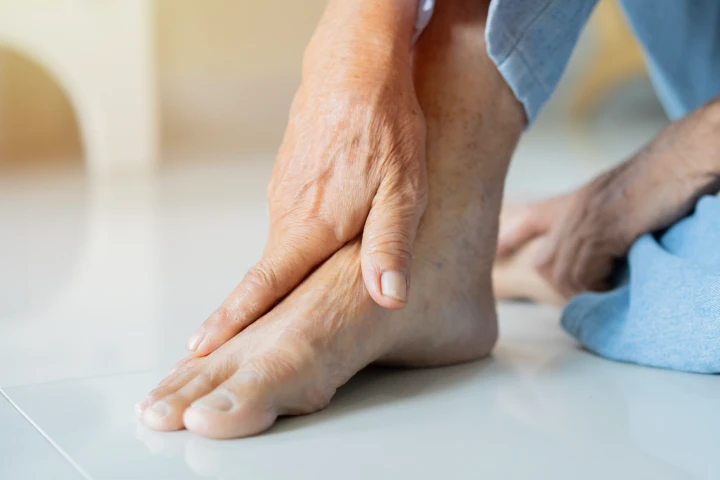
It often begins with something that seems insignificant. A small shoe bite, a tiny blister, a cut you barely noticed, or a crack on your heel that does not appear serious. However, for people living with diabetes, these minor foot injuries can sometimes develop into diabetic foot ulcers. As days turn into weeks, the wound simply refuses to heal, and what started as a small concern gradually becomes a source of constant worry.
Every time you remove your socks to check the bandage, you may feel a knot of anxiety tightening in your stomach. You might be hoping it looks better today, only to find that it has not changed much at all. Some people even hide the problem from their loved ones, silently fearing words like “amputation” or worrying that surgery may be the only option left. This fear can affect more than just your physical health. It changes how you walk, limits your daily activities, and takes a toll on your confidence and peace of mind.
If you are living with diabetes, it is important to know that a non-healing foot wound should never be ignored. However, it is equally important to understand that surgery is not always the first line of treatment for a diabetic foot ulcer. With timely intervention, proper wound care, and appropriate physiotherapy support, many diabetic foot ulcers can be managed effectively through non-surgical approaches. Seeking early professional care can play a vital role in promoting healing, reducing complications, and helping you maintain your mobility and independence.
Validate the Experience
If you are feeling overwhelmed, your reaction is completely justified. A stubborn wound is not just a surface skin issue. It feels like a ticking clock. Friends and relatives might share frightening stories, and sudden recommendations for surgery from doctors can leave you feeling powerless. The constant confusion over how to clean the area or whether to walk on it only adds to the daily exhaustion. Wanting to explore conservative, safe diabetic foot care methods before accepting surgery is a perfectly logical choice.
Table of Contents
Explain the Condition
To understand why these wounds are so stubborn, we have to look directly beneath the skin surface. Diabetes changes the internal structural environment of your lower legs in three distinct ways. First, sustained high blood sugar levels gradually damage the delicate sensory nerve fibers in your extremities. This sensory loss means your feet cannot feel protective pain. You might walk on a small pebble all day without noticing, repeatedly traumatizing the same patch of skin until it finally breaks open.
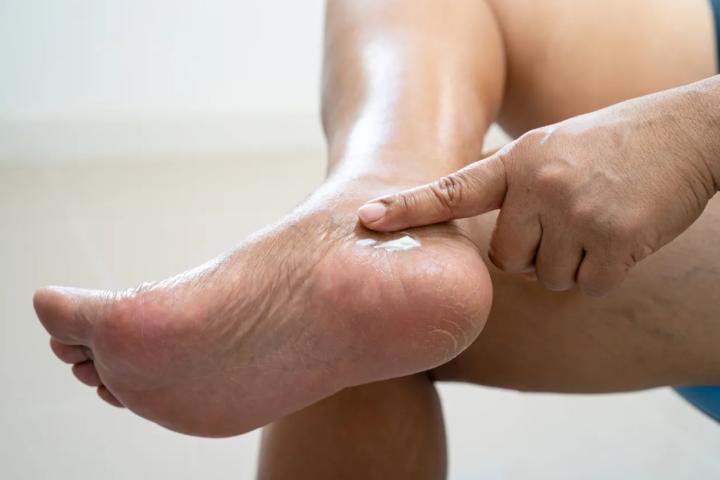
Second, diabetes affects your motor nerves, which control the small muscles in your feet. As these muscles weaken, the physical shape of your foot begins to alter, creating abnormal high pressure points that your skin was never designed to handle. Finally, diabetes narrows the tiny blood vessels that supply oxygen and vital nutrients to your toes and heels.
When tissue is damaged, your body desperately tries to send repair cells to the site. However, the compromised blood flow creates a massive roadblock. The tissues are essentially starving for oxygen. Because the structural integrity of the skin is weakened, the edges of the wound harden into thick calluses, preventing new skin cells from migrating across the gap. The area becomes trapped in a vicious cycle of chronic inflammation. This is exactly why standard bandages and over the counter ointments consistently fail. Effective diabetic wound healing requires changing the local environment of the wound, stimulating cellular repair, and fundamentally improving microcirculation.
Why This Should Not Be Ignored
Waiting for a diabetic ulcer to resolve on its own is a dangerous gamble that severely risks your long term mobility. An open wound on the bottom of your diabetic foot acts as a direct gateway for aggressive external bacteria. Because your local immune response is severely compromised by poor circulation, a superficial localized infection can rapidly spread to the deeper muscle layers and eventually infect the underlying bone. Beyond the immediate risk of severe infection, an unhealed ulcer completely disrupts your natural biomechanics. You will subconsciously start limping or shifting your body weight to the outer edge of your opposite foot to avoid putting pressure on the painful wound. This abnormal walking pattern places immense unnatural stress on your knees, your hips, and your lower back. Soon, you are not just dealing with a localized foot wound, but a cascade of severe joint pain, muscle fatigue, and rapidly deteriorating overall mobility.
How Specialized Diabetic Foot Care Helps You Heal
When people think of physiotherapy, they rarely associate it with complex wound management. Yet, specialized clinical rehabilitation plays a crucial, foundational role in effective diabetic foot care. Our primary goal is to heal the damaged tissue from the inside out without resorting to invasive surgical procedures.
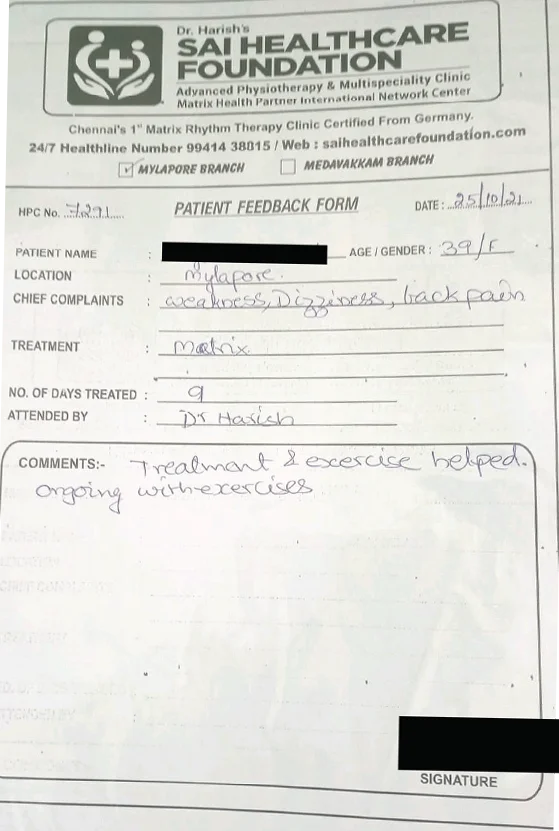
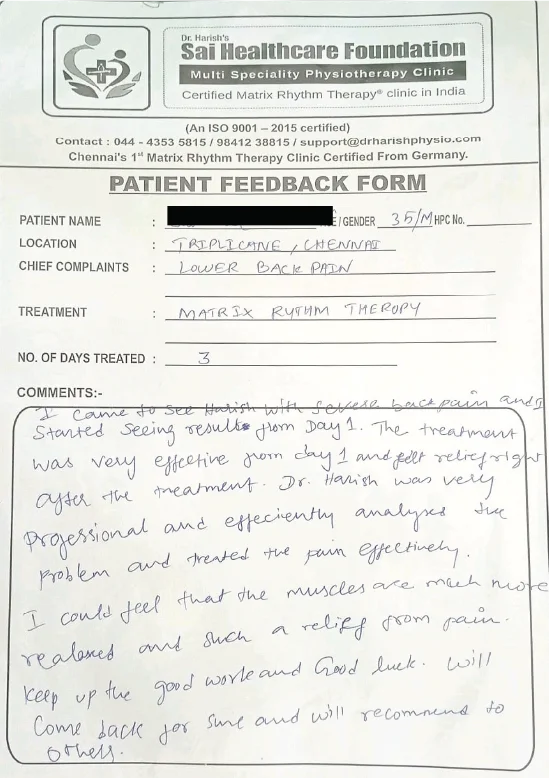
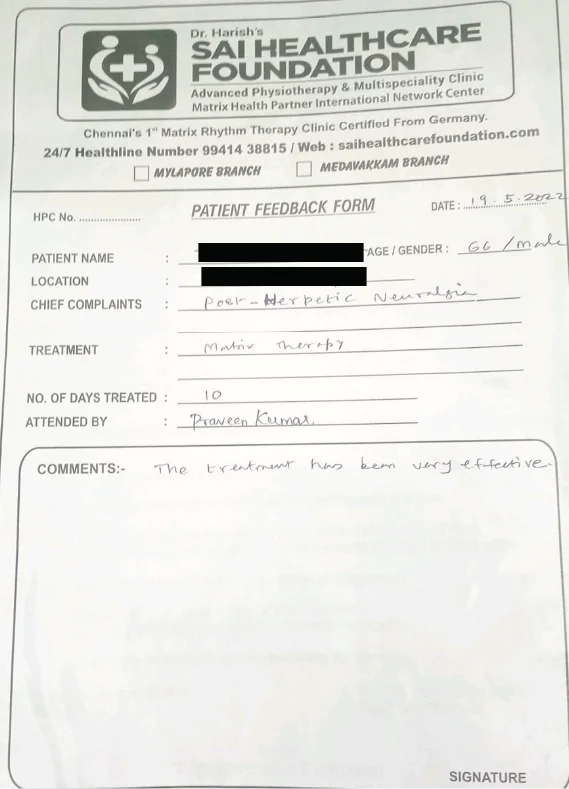
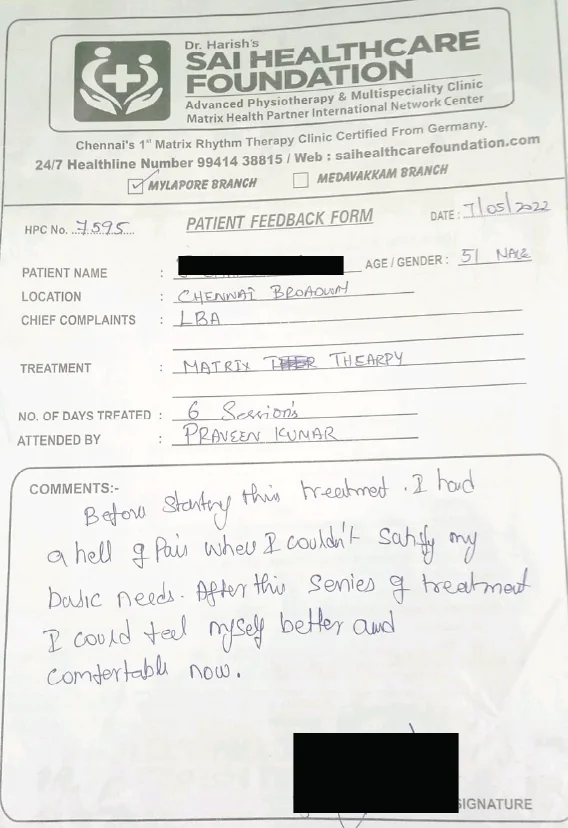
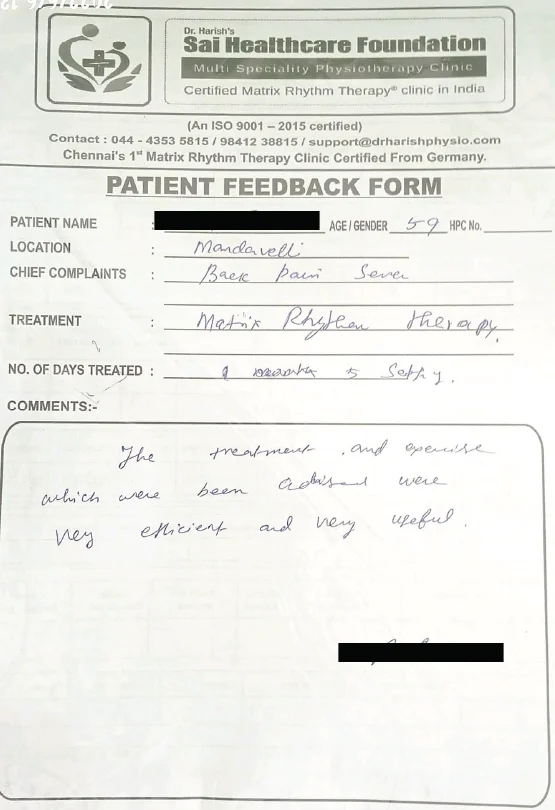
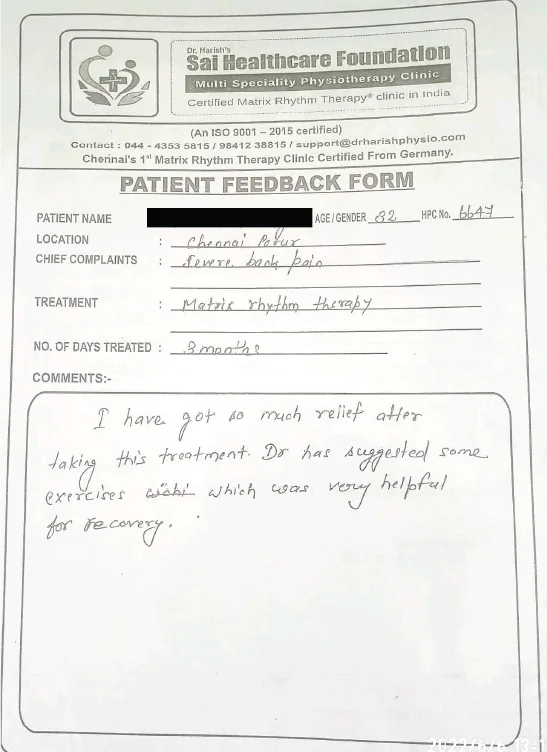
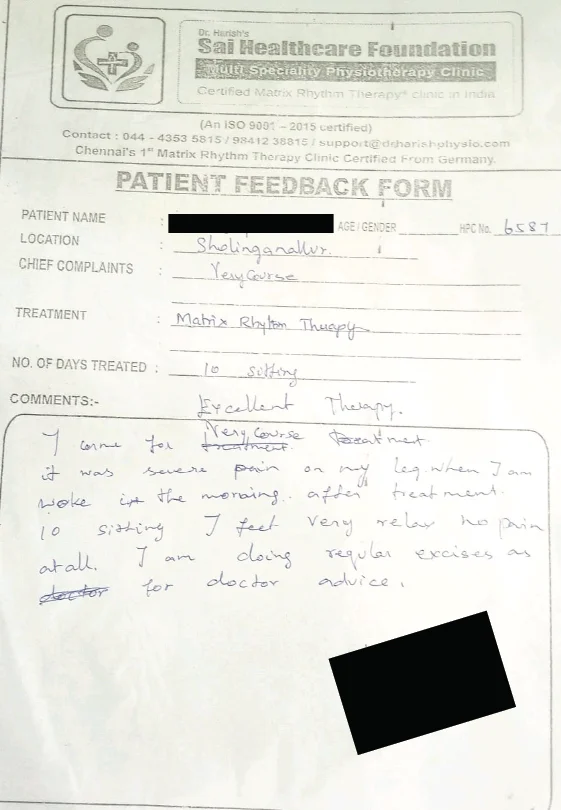
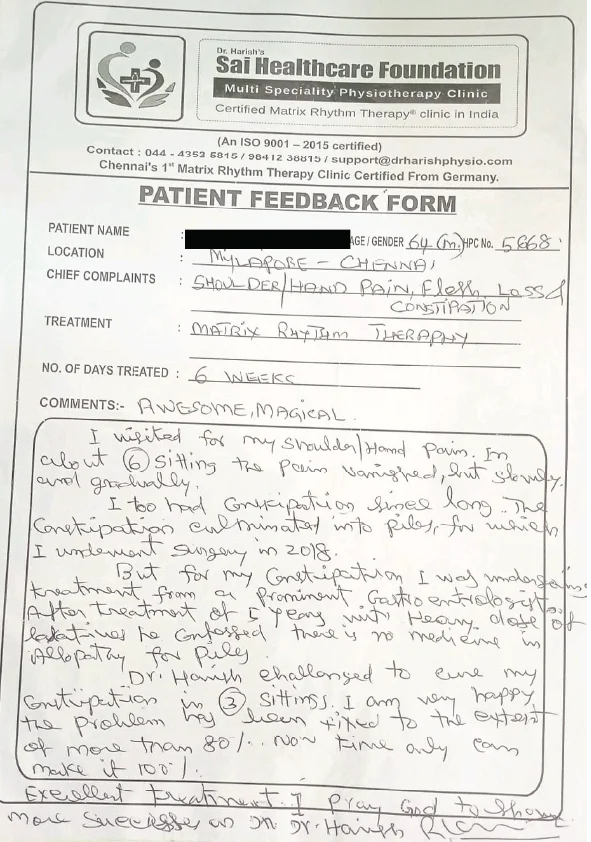
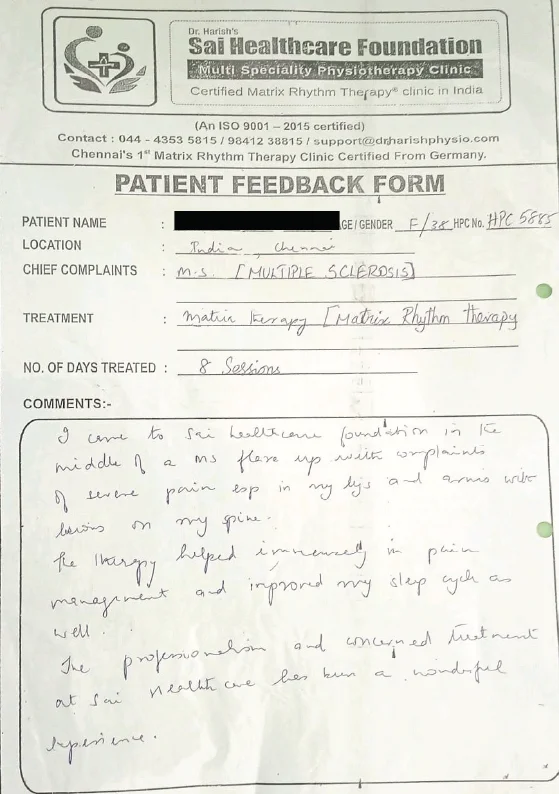
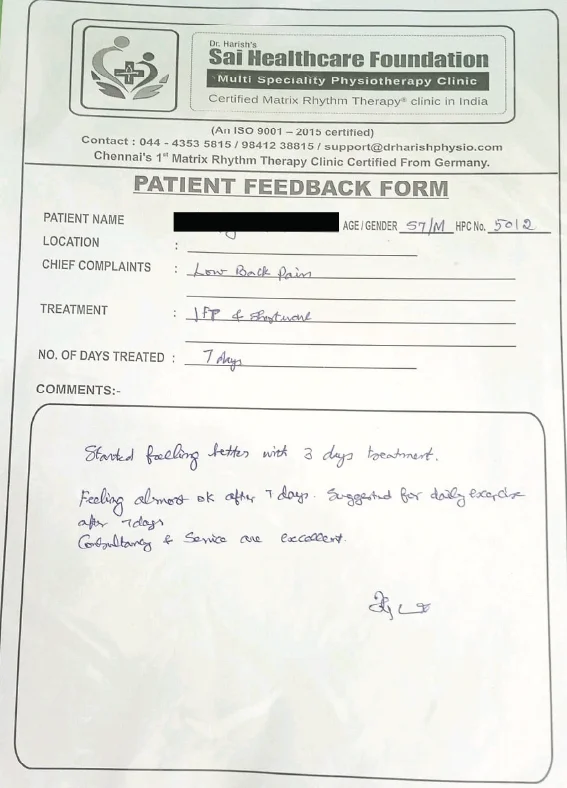
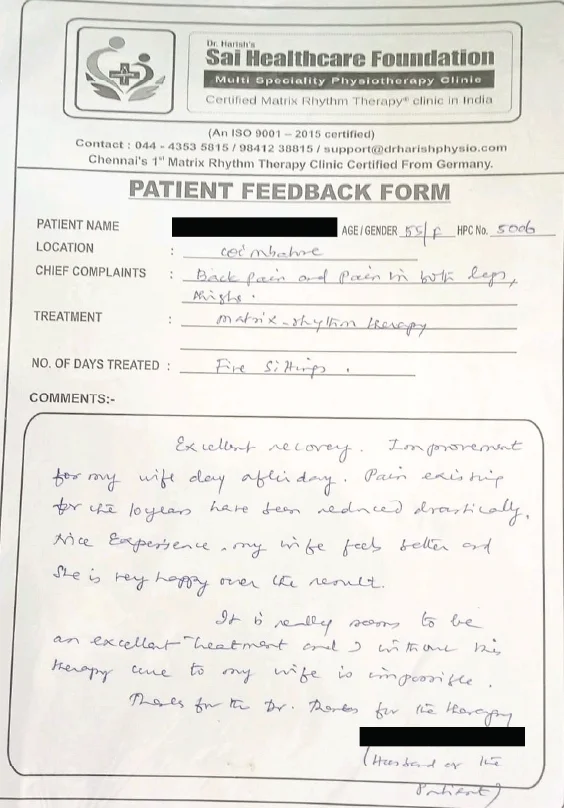
At Sai Healthcare Foundation, we utilize advanced non-surgical modalities specifically designed for deep cellular regeneration. One of the most effective approaches we employ is Matrix Rhythm Therapy. Dr. Harish Kumar R is among a highly select group of practitioners in India certified in this specific technique. This therapy uses targeted mechanical micro-pulsations that exactly match the natural frequency of healthy human muscle tissue. By applying these gentle rhythmic vibrations around the affected limb, we physically pump stagnant lymphatic fluid out of the swollen tissues and draw fresh, oxygen-rich arterial blood down to the deepest cellular level.
This sudden, massive influx of oxygen is what finally kicks the stalled healing process back into gear. Alongside Matrix Rhythm Therapy, we frequently utilize Ultrasound Therapy to break down hardened scar tissue and further stimulate cellular repair around the wound margins.
We also integrate highly precise offloading techniques. Using custom footwear modifications, specialized padding, and clinical gait retraining, we ensure absolutely zero pressure falls on the wounded area while you walk. You simply cannot heal damaged tissue if you are stepping on it thousands of times a day with your full body weight. Furthermore, our targeted exercise rehabilitation combats the underlying neuropathy by safely stimulating peripheral nerves and preserving vital foot muscle mass. This comprehensive, non-surgical approach directly addresses the mechanical and circulatory failures causing the wound.
What Recovery Realistically Looks Like Through Physiotherapy Treatment
True diabetic wound healing requires focused patience and strict clinical consistency. It is never an overnight fix. During the first two to three weeks of targeted physical therapy, the most noticeable and encouraging change is a significant reduction in surrounding leg swelling and a healthier, vibrant pink color returning to the pale wound bed. The thickened, hardened edges of the ulcer will visibly begin to soften.
By the second month of consistent therapy, you will see a measurable, documented decrease in both the depth and the diameter of the wound. The healthy tissue starts granulating, slowly filling in the open gap from the bottom upward. Minor setbacks can occasionally happen if your blood sugar spikes or if you accidentally apply excessive pressure to the foot, but consistent clinical care keeps the overall trajectory moving safely forward. Long term success involves achieving complete skin closure followed by a tailored biomechanical prevention strategy.
What You Can Do Right Now
While you seek professional non-surgical intervention, there are critical, immediate steps you must take to protect your vulnerable foot at home.
1. Stop Walking Barefoot Immediately
Even inside the safety of your own house, never let your bare foot touch the hard floor. A single misplaced step on a rough tile edge or a dropped safety pin can cause catastrophic tissue damage. Wear deeply cushioned, seamless therapeutic footwear indoors at all times to absorb impact.
2. Inspect with a Floor Mirror Every Evening
Because you absolutely cannot rely on pain signals to warn you of a developing problem, you must use your eyes. Place a small mirror on the floor and hold your foot over it to clearly check the hidden soles and the tight spaces between your toes. Look closely for any new redness, clear fluid leakage, or sudden changes in skin color.
3. Choose the Right Protective Socks
Throw away tight socks with elastic bands that choke your ankle circulation. Switch to seamless, moisture-wicking diabetic socks. Always choose white or light colored fabrics. A light background instantly reveals any unexpected drops of blood or clear wound discharge, acting as a crucial early warning system.
4. Wash and Dry with Extreme Care
Wash your feet daily using lukewarm water, but absolutely never soak them. Prolonged soaking severely breaks down the delicate skin barrier. After washing, use a soft white towel to pat the skin completely dry, paying special attention to the hidden spaces between the toes where trapped moisture rapidly breeds dangerous fungal infections.
5. Elevate Your Leg Whenever Sitting
Gravity constantly pulls fluid down into your lower extremities, increasing painful swelling and restricting fresh arterial blood flow. Whenever you are reading or watching television, prop your foot up on a soft, cushioned stool to actively assist your struggling circulatory system.
Take the Right Step Towards Healing Diabetic Foot Ulcers
Living with a diabetic foot ulcer can be stressful and overwhelming, but surgery is not always the first or only option. Seeking timely care at a trusted physiotherapy clinic can significantly improve healing outcomes and help prevent complications. With the right physiotherapy treatment for diabetic foot ulcers, improved circulation, pressure management, and guided rehabilitation, your body can be supported to heal naturally and safely.
At Sai Healthcare Foundation, our experienced team provides comprehensive physiotherapy treatment for diabetic foot ulcers tailored to each patient’s condition and recovery needs. If you are struggling with a non-healing foot wound, do not delay seeking professional help. Visit our physiotherapy clinics in Mylapore, Anna Nagar, Medavakkam, or Madhanandapuram for a detailed assessment and personalised treatment plan. Early intervention can make a meaningful difference in protecting your mobility, promoting wound healing, and supporting long-term foot health.