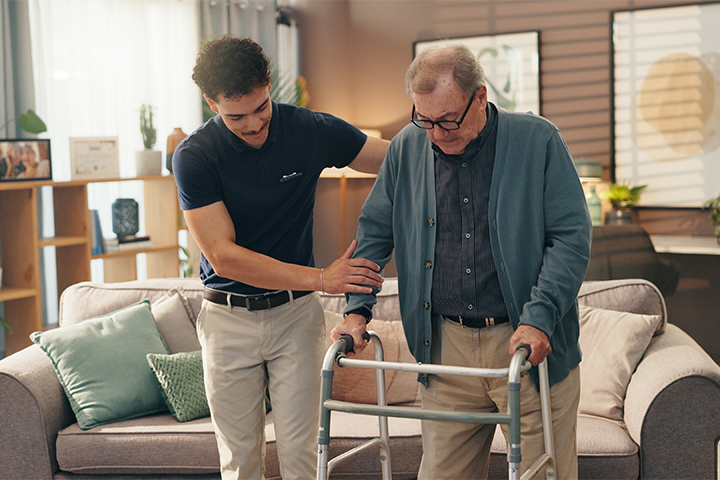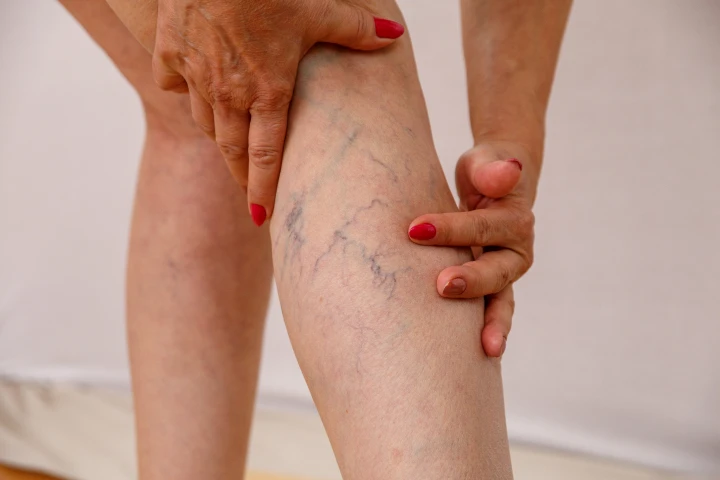
Ageing brings experience, confidence and perspective, but it can also bring physical discomfort that slowly affects daily life. The Benefits of Physiotherapy become especially important as many seniors begin to notice joint pain, stiffness, reduced strength and slower movements over the years. Activities like walking for long distances, climbing stairs, standing in queues or even getting up from a chair may start to feel tiring or painful.
However, pain and reduced mobility do not have to become a permanent part of ageing. With the right physiotherapy support, seniors can continue to move comfortably, stay active and maintain independence. Physiotherapy focuses on improving movement, reducing pain and helping older adults feel confident and secure in their bodies.
Table of Contents
Why Pain and Mobility Problems Increase with Age
As the body ages, muscles naturally lose strength and elasticity. Joints may become stiff due to wear and tear, and bones may weaken over time. Conditions such as arthritis, osteoporosis and joint degeneration are common contributors to long-term pain and restricted movement in seniors.

In addition to physical changes, balance and coordination may be reduced, making movement feel unsafe. Many seniors start limiting their activity out of fear of pain or falls. Unfortunately, reduced movement can further weaken muscles and worsen stiffness. Physiotherapy helps reverse this cycle by encouraging safe, guided movement that rebuilds strength and confidence gradually.
How Expert Physiotherapy Helps Seniors Manage Pain Effectively
Pain management is one of the most important reasons seniors seek physiotherapy. Instead of relying heavily on pain medications, physiotherapy offers a natural and sustainable way to reduce discomfort and improve function.
Physiotherapy for pain relief may include:
- Gentle joint and muscle mobilisation to reduce stiffness
- Targeted exercises to strengthen weak muscles
- Manual therapy to ease muscle tension
- Movement correction to reduce strain on joints
- Techniques to improve circulation and reduce inflammation
With regular physiotherapy, seniors often experience reduced pain during daily activities such as walking, bending and standing. Physiotherapy is particularly effective for managing knee pain, back pain, shoulder pain and chronic joint stiffness in older adults.
Regaining Mobility and Flexibility with Physiotherapy
Loss of mobility affects more than just physical movement. It often reduces confidence and creates fear around everyday activities. Expert Physiotherapy focuses on restoring joint flexibility, improving muscle strength and increasing range of motion in a safe and controlled manner.
Exercises are customised based on the senior’s comfort level and health condition. Over time, improved mobility allows seniors to move more freely, maintain better posture and perform daily tasks with less effort. Even small improvements in flexibility can make a significant difference in comfort and independence.
Balance Training and Fall Prevention for Seniors
Falls are one of the biggest health risks for seniors and can lead to long recovery periods or long-term mobility issues. Physiotherapy places strong emphasis on balance training to improve stability and prevent falls.
Balance-focused physiotherapy helps by:
- Strengthening core and leg muscles
- Improving coordination and body awareness
- Enhancing posture and walking patterns
- Training safe movement during position changes
With better balance control, seniors feel more confident while walking, turning or navigating uneven surfaces. Fall prevention physiotherapy plays a crucial role in maintaining safety and independence, especially for older adults living alone.
How Physiotherapy Supports Independence in Daily Life
When pain reduces and movement improves, seniors regain the ability to manage daily activities independently. Tasks such as dressing, cooking, bathing and moving around the home become easier and less exhausting.
This physical independence has a powerful impact on emotional wellbeing. Seniors feel more confident, less dependent on family members and more positive about their ability to care for themselves. Physiotherapy helps restore not just movement, but also dignity and self-reliance.
Physiotherapy as a Long-Term Health Partner for Seniors
Physiotherapy is not only meant for short-term relief. When continued regularly, it supports long-term muscle strength, joint health and overall physical wellbeing. Seniors who stay active through physiotherapy often experience better posture, improved endurance and increased energy levels.
By promoting safe and consistent movement, physiotherapy helps slow down physical decline and supports healthy ageing. It encourages seniors to remain active participants in their daily lives rather than avoiding movement due to fear or discomfort.
When Should Seniors Consider Physiotherapy
Seniors should consider physiotherapy if they experience ongoing pain, stiffness, balance issues, difficulty walking or reduced strength that affects daily activities. Early physiotherapy intervention can prevent minor discomfort from progressing into serious mobility limitations.
A personalised physiotherapy plan ensures that exercises are safe, effective and adapted to the individual’s physical condition. Professional guidance allows seniors to improve gradually without overexertion or injury.
Ageing Comfortably with the Right Physiotherapy Support
Growing older does not mean accepting pain or limited movement as unavoidable. With the right care and guidance, seniors can continue to live active, confident and independent lives. Physiotherapy offers a safe and proven approach to managing pain, improving mobility and enhancing quality of life at every stage of ageing.
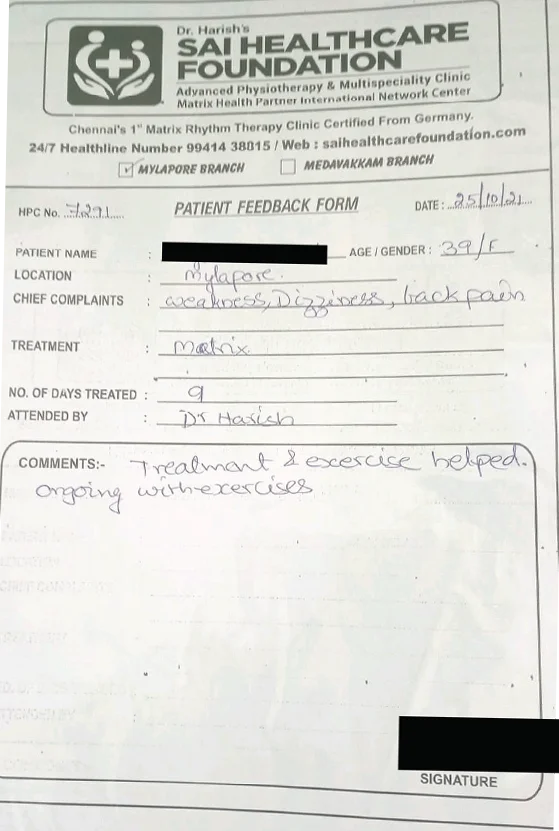
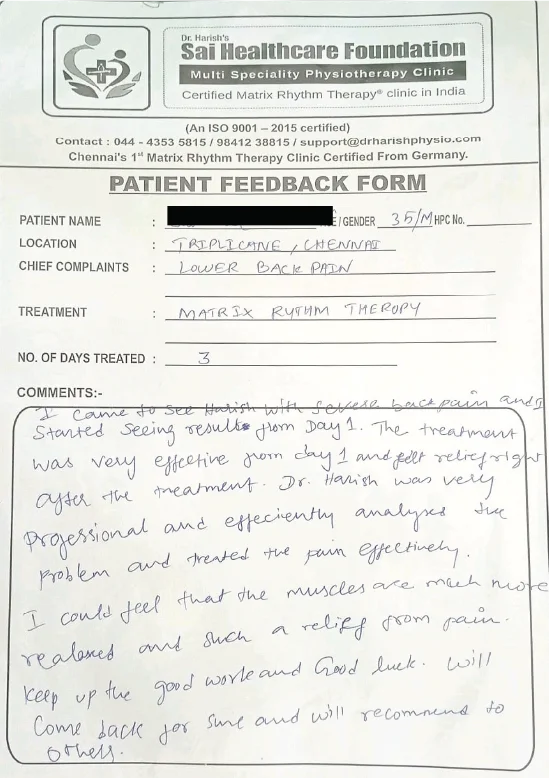
Sai Healthcare Foundation provides specialised physiotherapy treatment in Chennai designed to meet the unique needs of seniors. Through personalised treatment plans and expert support, older adults can move with greater comfort, confidence and freedom, enjoying a healthier and more fulfilling life.