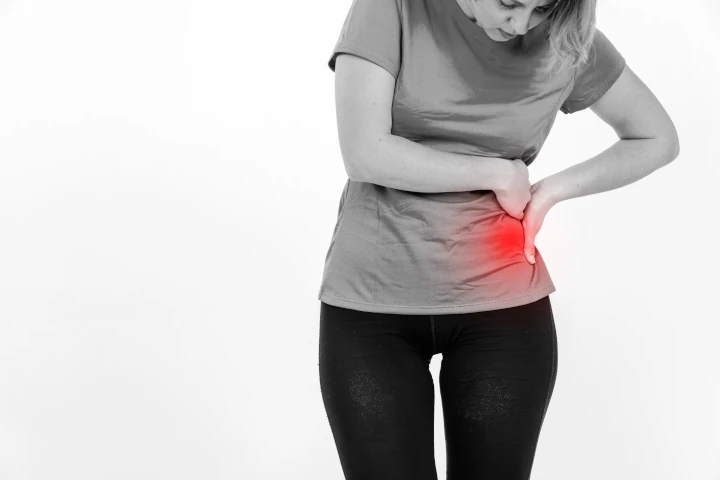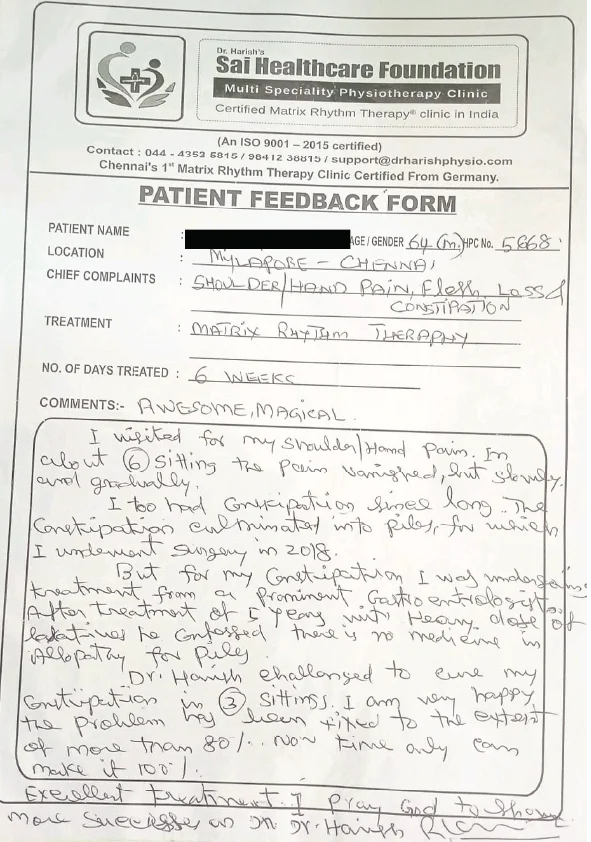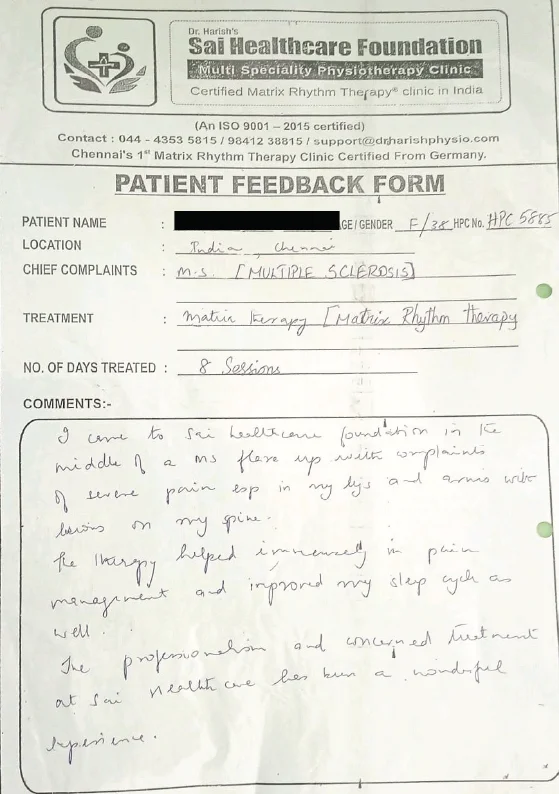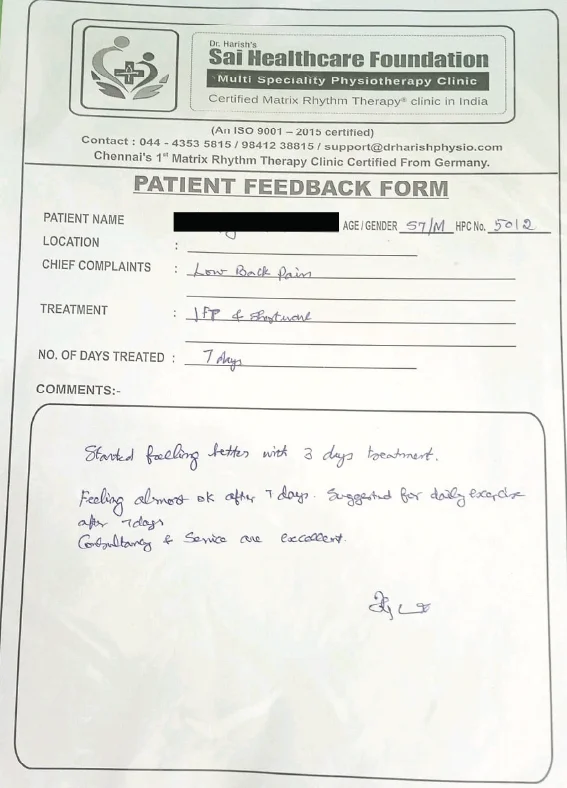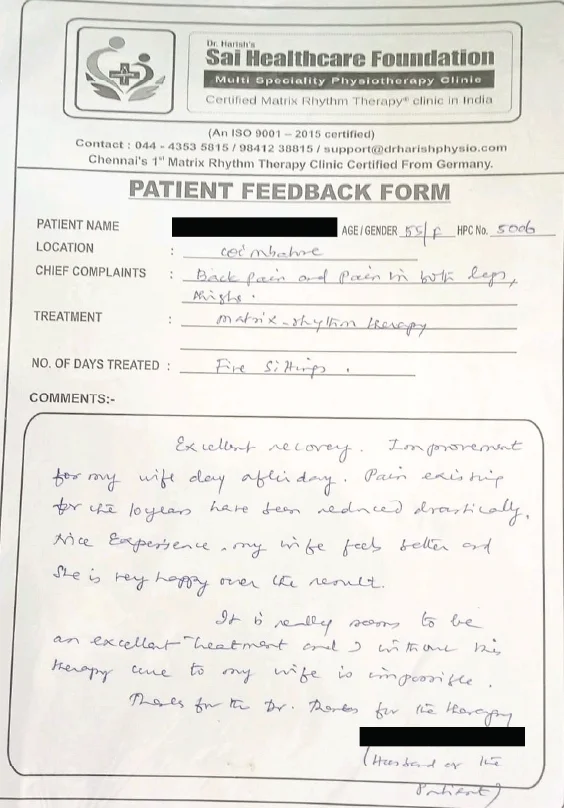
Hip pain can affect your daily comfort, mobility and overall quality of life. Simple activities such as walking, climbing stairs or sitting for long hours may become difficult when hip discomfort is ignored. Poor posture, muscle imbalance, prolonged sitting and lack of movement are common contributors to hip pain. Addressing these issues early with physiotherapy for Hip Pain helps reduce strain, improve joint function and prevent long term complications.
Hip Pain Physiotherapy focuses on identifying the root cause of discomfort rather than just managing symptoms. Through guided exercises, manual techniques and movement correction, Physiotherapy treatment for Hip Pain supports better flexibility, strength and pain free movement. With the right approach, physiotherapy plays a key role in restoring confidence in everyday activities.
Table of Contents
Prolonged Sitting and Its Impact
Modern lifestyles involve sitting for long hours at work, during travel or while using electronic devices. When the body stays in a seated position for too long, the hip flexor muscles become tight and the glute muscles become weak. This imbalance places extra load on the hip joint, causing stiffness and discomfort when you stand or walk.
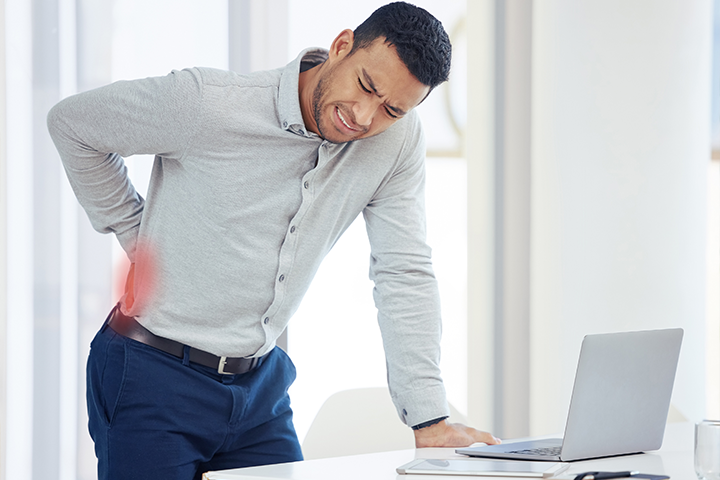
A practical way to fix this is by taking movement breaks every 30 to 40 minutes. Standing up, walking for a moment or doing simple leg stretches can ease muscle tension and improve blood flow. For individuals who work at desks, adjusting chair height and maintaining an upright posture also helps reduce strain.
Poor Posture and Misalignment
Incorrect posture is one of the most overlooked causes of hip pain. Slouching while sitting, leaning more weight on one leg while standing or walking with an uneven stride can slowly impact the alignment of the hips. Over time, these habits create imbalances that increase pressure on the hip joints and supporting muscles.
Training yourself to sit with your feet flat on the floor, keeping your back upright and standing evenly on both legs can make a noticeable difference. Being mindful of posture throughout the day prevents unnecessary stress on the hip area.
Lack of Regular Movement and Exercise
The hip joint relies on strong muscles to stabilise and support it. When a person does not engage in regular physical activity, these muscles weaken and make the joint work harder than it should. This often leads to discomfort, reduced flexibility and difficulty performing daily activities.
Adding simple exercises such as glute bridges, leg raises, hip stretches and core strengthening movements can provide essential support to the hips. These exercises help maintain mobility, improve stability and reduce stiffness. Consistency is key to long-term improvement.
Wearing Unsupportive Footwear
Many people underestimate the role of footwear in hip health. Shoes that lack proper cushioning or support can affect posture and the alignment of the legs and hips. Over time, this can increase stress on the hip joints and worsen existing pain.
Choosing footwear with proper arch support, cushioning and a comfortable fit helps maintain proper body alignment. Avoiding worn-out shoes and selecting footwear suitable for your daily activities can reduce unnecessary strain on your hips.
Carrying Weight Incorrectly
Carrying heavy bags or holding weight on one side of the body, such as a shoulder bag, creates an imbalance in the spine and hips. This uneven load forces the hip muscles to compensate, leading to discomfort and fatigue.
Switching to backpacks, distributing weight evenly or reducing the load you carry helps protect the hips and maintain proper alignment.
Ignoring Minor Pain Signals
One of the biggest mistakes people make is ignoring the early signs of hip discomfort. Mild stiffness, occasional sharp pain or difficulty bending the leg are signals that something needs attention. When these symptoms are dismissed, the issue often progresses into chronic pain or reduced mobility.
Seeking professional guidance early ensures that the problem is treated before it becomes more serious. A physiotherapist can identify the root cause and design a tailored treatment plan.
How to Fix These Habits
Correcting these habits involves a combination of movement, awareness and professional support. Some steps you can take include:
- Taking regular breaks during long sitting hours
- Maintaining proper posture while sitting, standing and walking
- Engaging in simple strength and flexibility exercises
- Choosing supportive footwear
- Paying attention to early pain signals
- Consulting a physiotherapist for guided treatment
Making these changes helps reduce stress on the hip joint and supports long-term mobility.
Moving Toward Better Mobility with Hip Pain Treatment
Daily habits have a strong influence on hip health, and small changes can create meaningful improvement over time. Being mindful of posture, movement and activity levels helps reduce stress on the hip joint and prevents recurring discomfort. When pain becomes persistent, professional physiotherapy for Hip Pain provides targeted care that addresses both symptoms and underlying causes.
With a structured and personalised approach, Hip Pain Physiotherapy improves mobility, restores strength and supports long term joint health. At Sai Healthcare Foundation, Physiotherapy treatment for Hip Pain is designed to help you move comfortably, regain confidence and maintain an active, balanced lifestyle. Early intervention ensures better recovery and lasting relief.