Varicose veins often begin quietly. People usually notice mild swelling, a slight ache, or heaviness in the legs and ignore these changes thinking they are normal or temporary. In reality, these early signals are important. When treated at the right time, varicose veins respond well to early care and the results are much better.
Understanding the early symptoms helps you seek Varicose Vein Treatment before the condition progresses. This guide explains the warning signs, the importance of early intervention, and the role of Physiotherapy for Varicose Vein in improving long term leg health. If you are searching for a reliable physiotherapy clinic in Chennai, this information will help you make the right choice for your health.
Table of Contents
A Simple Understanding of Varicose Veins
Varicose veins develop when the valves inside the veins stop functioning efficiently. These valves help blood move upward against gravity. When they weaken, blood begins to pool, causing the veins to enlarge and twist. The condition is most common in the legs because they carry the maximum pressure throughout the day.
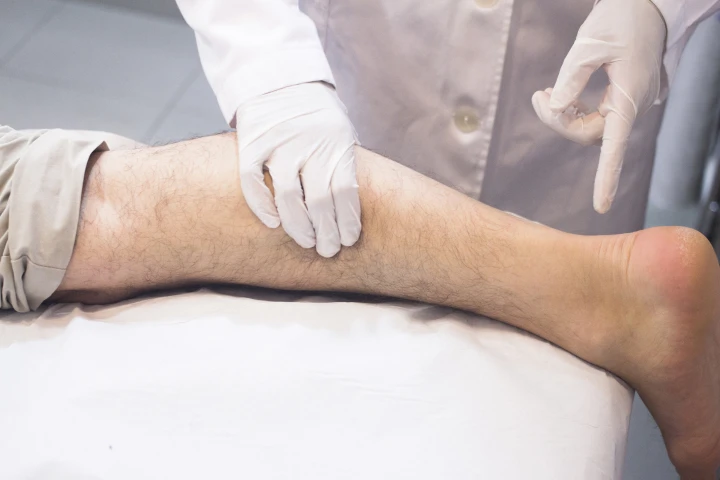
Factors such as genetics, long hours of standing or sitting, pregnancy, ageing and lifestyle habits can increase your risk. If ignored, varicose veins may lead to complications such as skin thickening, infections, inflammation and in severe cases, ulcers.
Early Signs You Should Never Ignore
Identifying the early signs can help you seek Varicose Vein Treatment at the right time. Here are the first symptoms many people experience.
1. Persistent leg heaviness
A feeling of heaviness in the legs, especially after standing or sitting for long periods, is one of the earliest signs. The heaviness may feel better after resting or elevating the legs.
2. Mild ankle or foot swelling
Swelling that appears near the ankles at the end of the day can indicate early venous issues. If the swelling becomes consistent, it is a clear sign that blood circulation is being affected.
3. Aching or throbbing pain
A dull ache in the legs that becomes more noticeable by evening is a common symptom. Some people describe it as a burning or throbbing sensation, especially after long hours on their feet.
4. Visible thin veins or spider veins
Spider veins are tiny coloured lines visible under the skin. While they may seem harmless, they often indicate deeper vein problems developing below the surface.
5. Itching or dryness around the affected area
Skin irritation or itching near the ankles or calves can be an early warning sign. Many assume it is dry skin, but it often indicates reduced blood flow.
6. Night time leg cramps
Cramps in the calf at night are extremely common among people with early varicose veins. These cramps occur because of poor circulation in the lower limbs.
7. Restless or uncomfortable leg sensation
A constant urge to move the legs, especially at night, can be an early sign of venous insufficiency. Ignoring these early signs can cause the condition to progress faster. Early assessment ensures simpler and more effective Varicose Vein Treatment.
Why Early Varicose Vein Treatment Matters
Seeking treatment in the early stages helps prevent future complications and supports long term leg health. Early treatment can help in the following ways:
- Prevents swelling and pain from worsening
- Reduces the risk of skin discolouration and infections
- Improves mobility and leg strength
- Supports better blood circulation
- Reduces the need for more complex treatments later
- Allows physiotherapy to be more effective and comfortable
The earlier you seek guidance, the easier it is to manage the symptoms and prevent progression.
How Physiotherapy Supports Varicose Vein Treatment
Physiotherapy Treatment is an important part of managing discomfort caused by varicose veins. It helps improve blood flow, reduce pain and strengthen the muscles that support healthy circulation. Here is how Physiotherapy for Varicose Vein offers benefits:
1. Improved blood circulation
Specific exercises designed by physiotherapists help blood move upward more effectively. Better circulation reduces pressure on the veins and improves overall leg comfort.
2. Reduced swelling and heaviness
Lymphatic drainage techniques and gentle mobilisation help reduce fluid retention, which is one of the main reasons for swelling and heaviness.
3. Strengthened leg muscles
Stronger calf and thigh muscles act as natural pumps that push blood upward. This simple yet powerful change can significantly reduce varicose vein symptoms.
4. Increased mobility and flexibility
Stretching and mobility exercises reduce stiffness in the legs and allow you to walk, sit and stand more comfortably.
5. Reduced pain and discomfort
Physiotherapy techniques help release tension, reduce aching and ease night time cramps that are common in varicose vein conditions.
6. Prevention of further progression
With consistent Physiotherapy Treatment, the chances of the condition worsening reduce significantly. People who start physiotherapy early often see much better long term results.
If you are looking for a physiotherapy clinic in Chennai for specialised care, choosing a centre with expertise in lower limb rehabilitation can make a noticeable difference.
Daily Lifestyle Habits That Support Treatment
Good habits play an important role in supporting Varicose Vein Treatment. Simple changes can improve blood flow and reduce discomfort.
- Take short breaks every hour and avoid sitting or standing continuously
- Elevate your legs for ten to fifteen minutes daily
- Wear comfortable and supportive footwear
- Maintain a healthy weight to reduce strain on your legs
- Include gentle exercises such as ankle pumps, walking and calf raises
- Stay hydrated to support healthy blood flow
These practices work together with physiotherapy and medical treatment to support better leg health.
When You Should Seek Professional Help
You should visit a specialist or a physiotherapy clinic in Chennai if you notice the following signs:
- Swelling that becomes consistent
- Increasing pain or visible raised veins
- Skin colour changes near the ankles
- Frequent night time cramps
- Difficulty standing or walking without discomfort
Early consultation ensures that you receive the right Varicose Vein Treatment before the condition progresses.
Varicose Vein Treatment as a Step Toward Pain Free Living
Varicose veins may start with small and easy to ignore symptoms, but early signs such as heaviness, mild swelling, skin irritation or visible small veins are important indicators. Seeking Varicose Vein Treatment during the early stages helps prevent complications and supports better long term leg health. Physiotherapy for Varicose Vein is a safe and effective approach that improves circulation, reduces pain and strengthens the legs.
For people searching for a trusted physiotherapy clinic in Chennai, Sai Healthcare Foundation provides personalised and expert Physiotherapy Treatment for varicose vein discomfort and related symptoms. Early care creates a significant difference and ensures your legs receive the support they truly deserve.